
led mirror factory
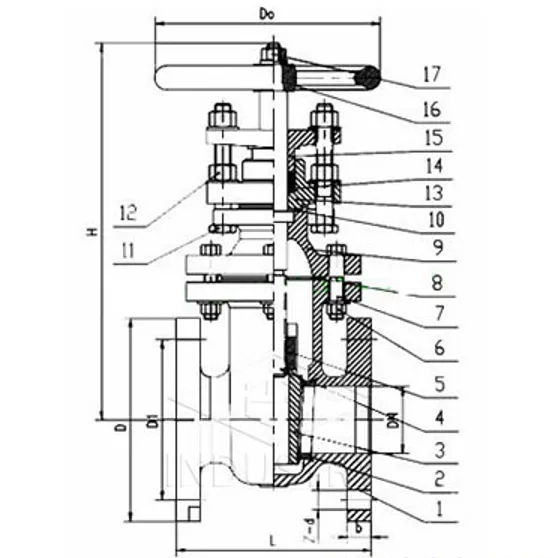
Understanding the 3 8% Check Valve Function, Importance, and Applications In industrial and manufacturing processes, the smooth and efficient flow of fluids is crucial. One critical component that helps regulate this flow is the check valve. Among various configurations and specifications within check valves, the 3 8% check valve stands out for its unique properties and wide-ranging applications. This article aims to explore the function, importance, and common uses of the 3 8% check valve. What is a Check Valve? A check valve, also known as a non-return valve, is a type of valve that allows fluid (liquid or gas) to flow in one direction while preventing backflow. This one-way operation is essential in systems where reverse flow could cause damage, contamination, or operational failure. Check valves are widely used in various industries, including water treatment, oil and gas, and manufacturing processes. The 3 8% Check Valve Explained The designation 3 8% refers to specific parameters and design features that characterize this check valve. While specific technical specifications may vary among manufacturers, common interpretations of this nomenclature can indicate the valve's size, material type, and performance attributes. - Size and Compatibility The 3% part typically represents the size of the valve, suggesting it is designed to accommodate a specific flow rate or pipe diameter. In industrial applications, this sizing allows engineers to select the appropriate valve compatible with existing systems. - Material Composition The 208% might indicate the material composition or related standards that contribute to the valve's durability and resistance to corrosion, heat, or pressure. Depending on the operating environment, the valve may be constructed from materials such as stainless steel, brass, or specialized plastics. Importance of the 3 8% Check Valve The 3 8% check valve plays several crucial roles in fluid systems 1. Prevention of Backflow By ensuring that fluid flows in only one direction, this valve prevents backflow, which can contaminate systems or cause damage to pumps and other components. 3 8 check valve 2. Protection of Equipment The check valve safeguards crucial equipment from potential damage that can occur due to pressure fluctuations or backflow, thus extending the life of machinery. 3. Maintaining System Efficiency By facilitating a smooth flow of fluids, the check valve helps maintain system efficiency, reducing the energy needed for pumping and optimizing operational performance. 4. Safety Assurance In critical applications, such as in chemical or gas pipelines, using a check valve is vital for safety, preventing leaks and potential hazards caused by unexpected fluid reversal. Applications of the 3 8% Check Valve The versatility of the 3 8% check valve allows it to be utilized in various applications across different industries - Water Supply Systems In municipal and industrial water supply systems, these valves help maintain a steady flow of water without risking contamination from backflow. - Chemical Processing In chemical plants, the 3 8% check valve ensures that hazardous substances do not flow back into storage or processing tanks, significantly reducing risks. - Oil and Gas In oil and gas pipelines, check valves are essential for maintaining directional flow and protecting the integrity of the pipeline systems. - HVAC Systems Check valves are used in heating, ventilation, and air conditioning systems to ensure airflow in the desired direction, preventing airflow issues that can lead to inefficiency. Conclusion The 3 8% check valve is a vital component in various fluid systems, encompassing numerous industries and applications. Its ability to prevent backflow, protect equipment, maintain efficiency, and ensure safety makes it indispensable in modern engineering practices. Understanding its significance can help professionals make informed decisions regarding system design and functionality, ultimately contributing to improved industrial performance.
about
led mirror factory
Roof truss plates play a critical role in providing stability and support to the roof structure of a building. These plates are essential components of roof trusses, which are triangular frameworks that support the weight of the roof and distribute it evenly across the walls of the building. By connecting the individual members of the truss together, the truss plates ensure that the roof can withstand various forces such as wind, snow, and the weight of the roof itself. Truss plates are typically made of galvanized steel or timber, and they come in various shapes and sizes to accommodate different types of roof trusses. They are designed to be strong, durable, and corrosion-resistant, ensuring that they can provide long-lasting support to the roof structure. The plates are secured to the truss members using nails, screws, or bolts, creating a rigid connection that prevents the members from moving or shifting under load. In addition to providing structural support, roof truss plates also play a crucial role in the overall design and efficiency of the roof structure. By connecting the truss members together, the plates help to distribute the weight of the roof evenly, preventing any single member from bearing too much load. This not only improves the stability of the roof but also helps to reduce the risk of structural failure over time. Furthermore, roof truss plates allow for the construction of complex roof designs that would not be possible with traditional framing methods roof truss plate . By using trusses to support the roof, builders can create open and spacious interior spaces without the need for interior load-bearing walls . This not only enhances the aesthetic appeal of the building but also allows for greater design flexibility and creativity. When installing roof truss plates, it is essential to follow the manufacturer's instructions and ensure that the plates are properly aligned and secured to the truss members. This will help to maintain the structural integrity of the roof and prevent any issues such as roof sagging or buckling over time. Regular inspections and maintenance of the roof truss plates are also essential to ensure that they continue to provide adequate support to the roof structure. In conclusion, roof truss plates are essential components of modern roof structures, providing crucial support and stability to the building. By connecting the individual members of the truss together, these plates help to distribute the weight of the roof evenly and prevent structural failure. Proper installation and maintenance of roof truss plates are essential to ensure the long-term performance and durability of the roof structure.
-

High quality industrial productsagement

High quality industrial products
View Details -

Meet the diverse needs of customers

Meet the diverse needs of customers
View Details -

Strict quality control

Strict quality control
View Details -

Top raw materials

Top raw materials
View Details -

Trusted supplier

Trusted supplier
View Details
Our application



news and information
welding table clamps
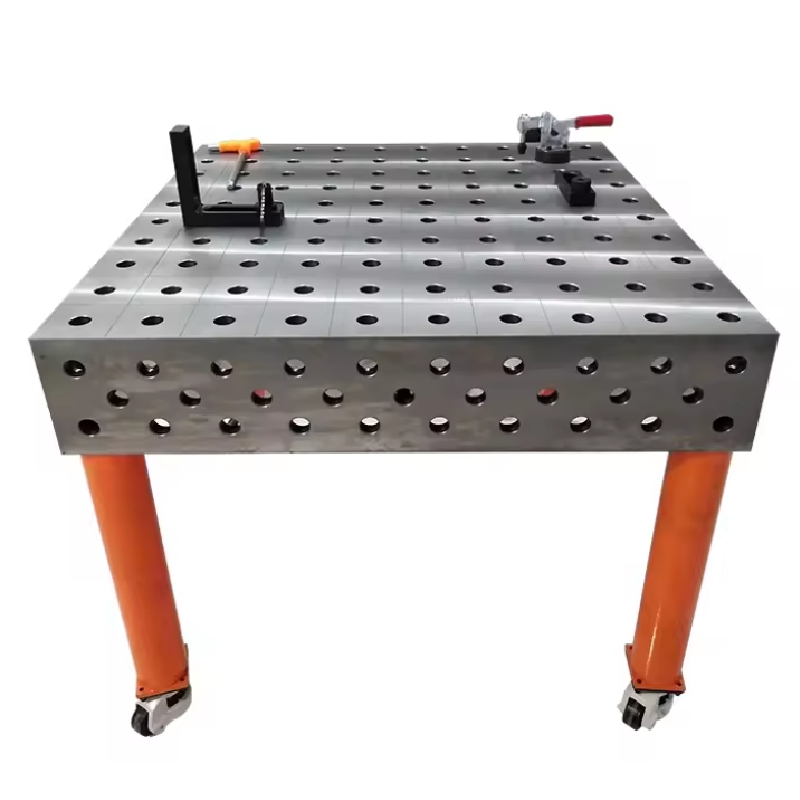
The Importance of Welding Table Clamps in Metalworking Welding is a fundamental process in metalwork
water valve
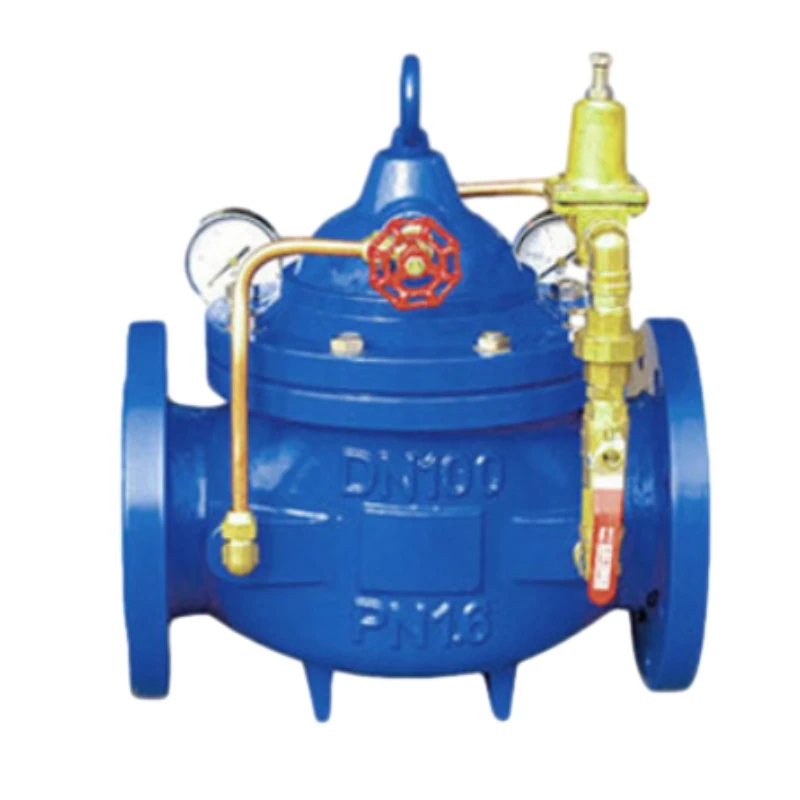
Understanding Water Valves A Key Component in Fluid Control Systems Water valves are crucial compone

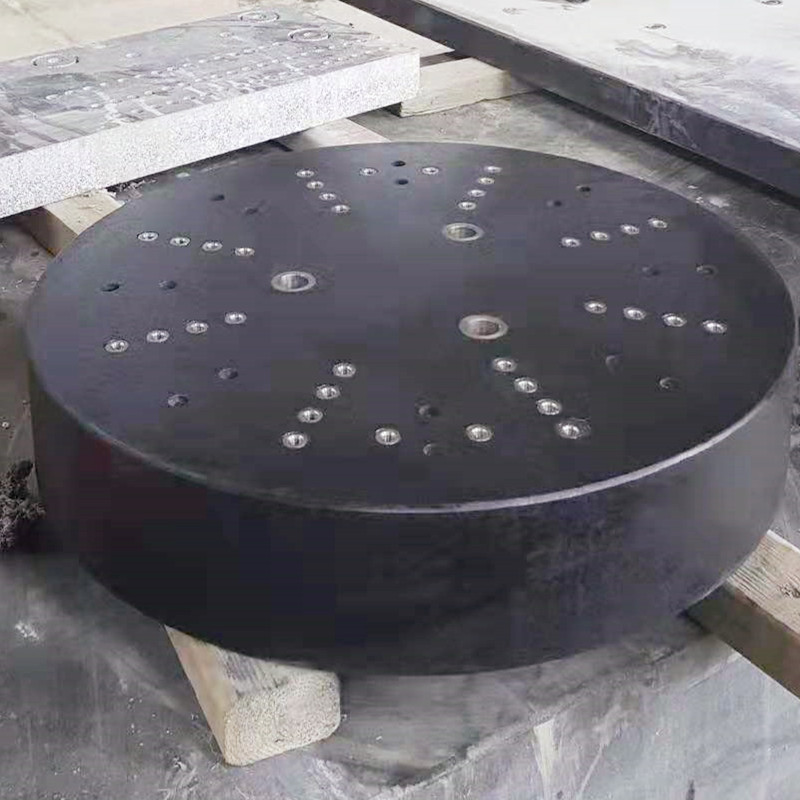
Using Cast Surfaces for Precision Plate Fabrication and Measurement Techniques
The Importance of Cast Surface Plates in Precision Manufacturing In the realm of precision manufactu
 English